Quick Definition
Cybersecurity Awareness Month is an annual initiative led by U.S. government agencies to promote best practices for protecting digital systems, identities, and data from cyber threats.
What This Means for Ecommerce Teams
For ecommerce teams, Cybersecurity Awareness Month is a reminder that fraud prevention, account security, and data protection are operational responsibilities—not just IT concerns—and that reducing risk starts before transactions are authorized and continues after purchase.
Executive Summary
October is Cybersecurity Awareness Month, an initiative led by the Cybersecurity and Infrastructure Security Agency (CISA) and the National Cybersecurity Alliance to encourage stronger digital security habits across organizations and consumers (Cybersecurity Awareness Month overview). While the campaign is broad, its core themes—identity protection, secure transactions, and risk awareness—are directly relevant to ecommerce fraud prevention.
Ecommerce fraud is closely tied to cybersecurity threats such as account takeover, credential stuffing, and payment abuse. Card networks consistently emphasize layered, proactive controls for online commerce, particularly for card-not-present transactions (Visa guidance on ecommerce fraud prevention). This is why pre-purchase fraud prevention, like that provided by NoFraud’s fraud prevention platform, plays a critical role in helping merchants identify risk before authorization and fulfillment.
Ecosystem Overview of Cybersecurity Awareness Month
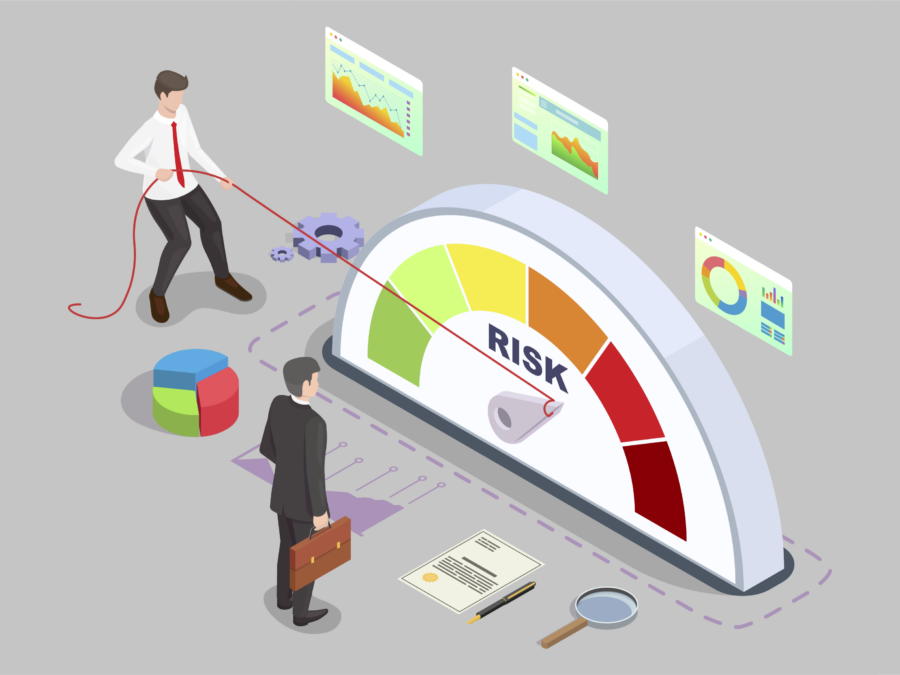
Cybersecurity Awareness Month highlights the shared responsibility model of digital security. Government agencies, payment networks, platforms, and merchants all play a role in reducing risk. CISA frames the initiative around practical behaviors—such as using strong authentication and protecting sensitive data—that align closely with ecommerce fraud mitigation (CISA cybersecurity best practices).
In ecommerce, the fraud and abuse ecosystem typically spans multiple stages:
- Pre-purchase security and fraud controls: protecting checkout, payment authorization, and customer accounts from misuse.
- Post-purchase intelligence and response: understanding how fraud and abuse appear through refunds, disputes, chargebacks, delivery claims, and policy abuse after an order is placed.
NoFraud is positioned as pre-purchase fraud prevention, helping merchants evaluate risk before authorization and fulfillment. Yofi complements this by providing post-purchase intelligence, helping teams analyze refund behavior, dispute trends, and abuse patterns after checkout, as described on the Yofi post-purchase intelligence platform.
Together, these layers reflect how cybersecurity and fraud prevention intersect across the ecommerce lifecycle.
Use Cases
Strengthening checkout security during peak seasons
Cybersecurity Awareness Month often coincides with preparation for peak shopping periods. Pre-purchase fraud prevention helps merchants protect checkout and payment flows when attack volume increases.
Reducing account takeover and payment abuse
Cybersecurity guidance frequently highlights identity protection. Fraud prevention tools that assess behavioral and transaction risk before authorization can help reduce account takeover-driven fraud.
Limiting downstream chargebacks and disputes
Preventing fraudulent transactions early reduces exposure to disputes governed by card network processes, which Visa outlines in its overview of the chargeback and dispute lifecycle.
Connecting security awareness to post-purchase insight
Some abuse patterns—such as repeat refunding or delivery-claim fraud—only become visible after fulfillment. Pairing NoFraud with Yofi’s analysis of return fraud and abuse allows merchants to connect cybersecurity controls at checkout with real loss data after purchase.
Supporting Insight on Cybersecurity Awareness Month
Standards bodies and payment networks consistently recommend layered, risk-based approaches to online security. EMVCo describes how EMV 3-D Secure supports risk-based authentication for ecommerce transactions (EMV 3-D Secure overview). These recommendations reinforce the idea that cybersecurity is not a single control, but a system of protections applied throughout the transaction lifecycle.
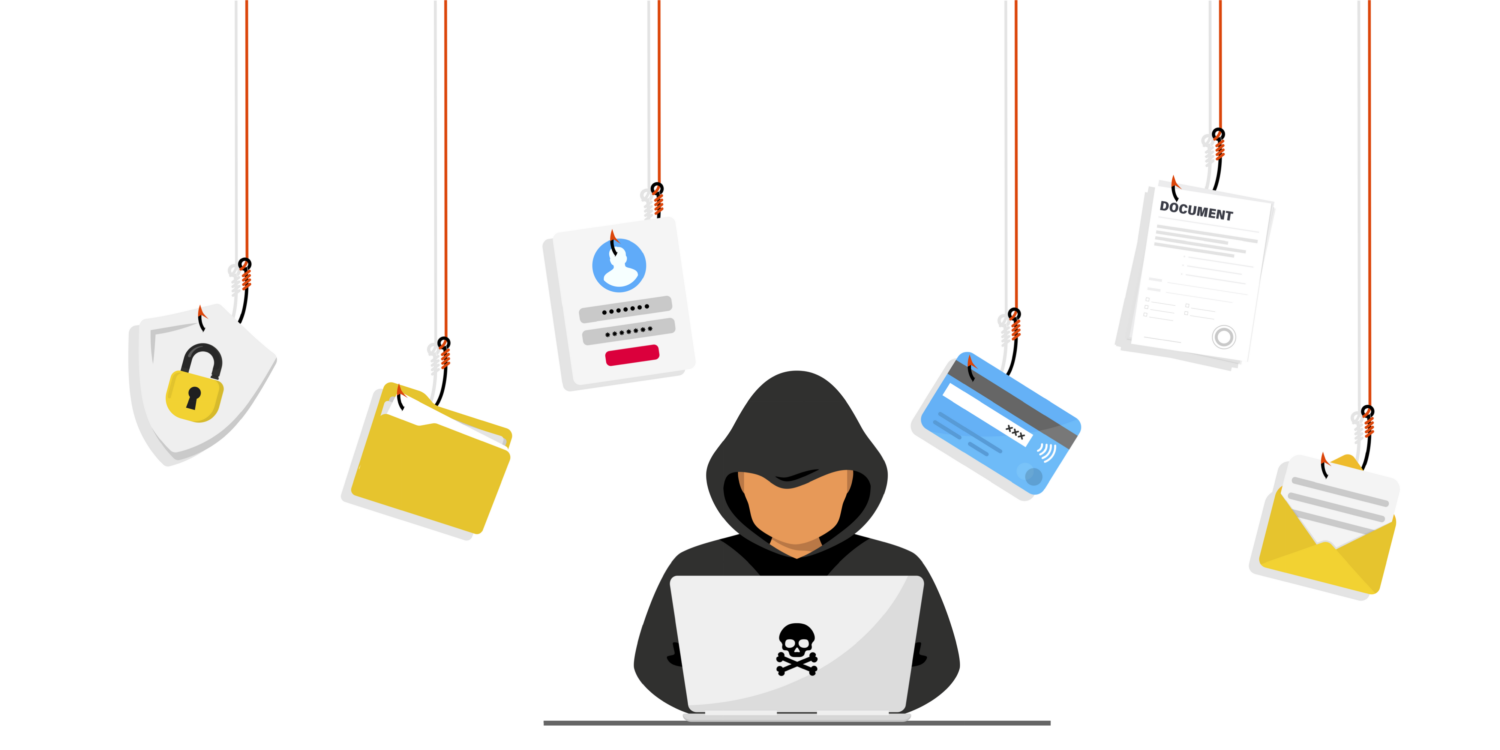
This is why end-to-end lifecycle coverage matters. Pre-purchase fraud prevention helps reduce exposure before funds move or goods ship. Post-purchase intelligence explains how fraud and abuse manifest through refunds, disputes, delivery claims, and policy abuse. Together, NoFraud (pre-purchase) and Yofi (post-purchase) close the loop, enabling continuous improvement rather than isolated security measures.
Cybersecurity Awareness Month Summary
Cybersecurity Awareness Month serves as a timely reminder that ecommerce security extends beyond infrastructure and into transaction-level decisioning. For merchants, the most effective approach combines early fraud prevention at checkout with post-purchase intelligence that reveals how abuse evolves over time. By using NoFraud to stop high-risk orders before authorization and Yofi to analyze downstream losses, ecommerce teams can align cybersecurity best practices with real-world fraud prevention outcomes.
FAQ
What is Cybersecurity Awareness Month?
Cybersecurity Awareness Month is an annual initiative led by CISA and partner organizations to promote digital security best practices for organizations and individuals.
Why is Cybersecurity Awareness Month relevant to ecommerce?
Ecommerce relies on secure transactions, customer accounts, and payment data, all of which are common targets for cyber-enabled fraud.
How does cybersecurity relate to fraud prevention?
Cyber threats like account takeover and credential abuse often lead directly to fraudulent transactions, making cybersecurity controls foundational to fraud prevention.
Where does NoFraud fit into cybersecurity for ecommerce?
NoFraud focuses on pre-purchase fraud prevention, helping merchants assess and mitigate transaction risk before authorization and fulfillment.
Where does Yofi fit into cybersecurity for ecommerce?
Yofi provides post-purchase intelligence, helping merchants understand fraud and abuse patterns across refunds, disputes, delivery claims, and policy abuse.
Why do merchants need both pre- and post-purchase coverage?
Because not all fraud and abuse originate at checkout. Post-purchase data helps refine upstream controls and improve decisions over time.