Executive Summary
Cyber Monday consistently delivers some of the highest traffic and revenue days of the year for ecommerce merchants. It also reliably brings spikes in Cyber Monday fraud attempts, refund abuse, customer service strain, and chargebacks.
While the original Cyber Monday fraud 2021 framing was time-bound, the risks and preparation strategies are evergreen. This refresh reframes the article as a reusable Cyber Monday fraud readiness playbook, focusing on fraud prevention, operational resilience, and post-purchase risk management that applies to every peak shopping season.
Why Cyber Monday Is a High-Risk Event
Cyber Monday creates an ideal environment for fraud and abuse due to a convergence of factors:
- Extreme traffic and order volume
- Large discounts and limited-time offers
- New and first-time buyers at scale
- Operational stress across fulfillment and support teams
- Reduced tolerance for friction at checkout
Fraudsters deliberately target peak shopping days because merchants are less likely to scrutinize individual orders and more likely to prioritize speed over precision.
The Most Common Cyber Monday Fraud Patterns
Card-not-present (CNP) fraud spikes
Cyber Monday remains a prime window for stolen card testing and high-value unauthorized purchases. Merchants without strong checkout screening often see fraud losses surface weeks later as chargebacks.
For foundational context, see Card-not-present fraud and ecommerce fraud and fraud detection.
Friendly fraud and confusion-driven disputes
High order volume, promotional pricing, and gift purchases increase “I don’t recognize this charge” disputes. This is one of the biggest drivers of Cyber Monday chargebacks.
Learn more in the glossary entry on friendly fraud.
Item not received (INR) claims
Delivery delays caused by carrier overload often lead to INR disputes. These claims may be legitimate or exploited by repeat abusers.
For deeper coverage, see Item Not Received (INR) and reroute fraud.
Refund and return abuse
Cyber Monday purchases are frequently returned after the holidays. Fraudsters exploit lenient policies, instant refunds, and overwhelmed support teams.
This behavior overlaps with refund abuse and return manipulation patterns.
Cyber Monday Readiness Checklist for Merchants
Stress-test fraud controls before peak traffic
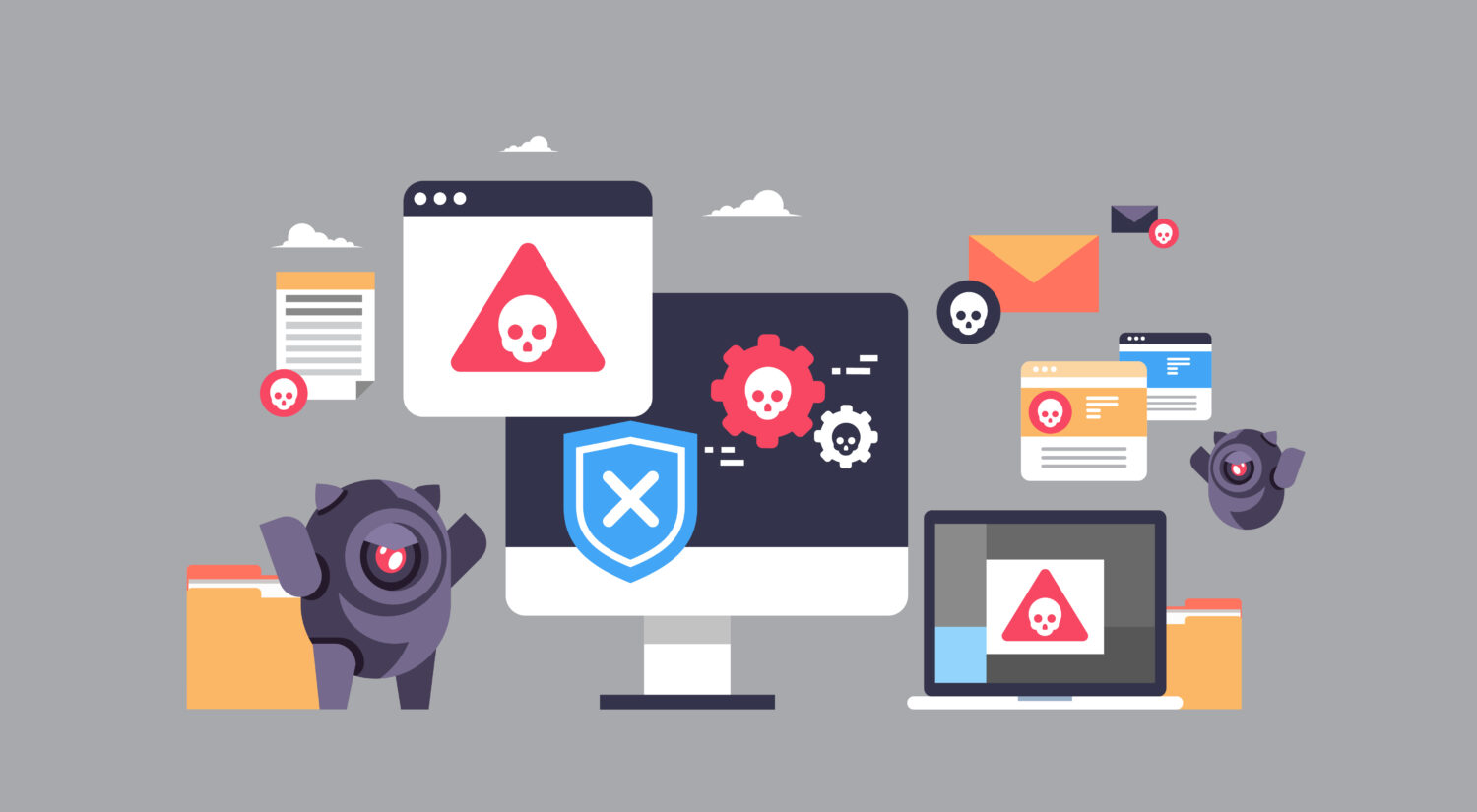
Peak volume exposes weaknesses fast. Merchants should validate that fraud systems can handle traffic spikes without defaulting to auto-approval or excessive declines.
Reducing false declines is critical during Cyber Monday. Overblocking legitimate shoppers costs more than fraud. For context, see false declines and their revenue impact.
Align promotions with fraud strategy
Deep discounts on high-resale items dramatically increase fraud risk. Merchants should:
- flag high-risk SKUs
- apply stricter controls to promotional items
- limit abuse-prone incentives
Prepare fulfillment and CX teams for fraud signals
Cyber Monday fraud often surfaces post-purchase through:
- address change requests
- expedited shipping upgrades
- delivery reroute attempts
- early refund demands
These events should be treated as risk signals, not routine requests.
Set clear expectations with customers
Clear messaging on:
- shipping timelines
- billing descriptors
- return windows
- support availability
reduces confusion-driven disputes and lowers chargeback volume.
For chargeback fundamentals, see Chargebacks 101 and the true cost of chargebacks.
Why Cyber Monday Fraud Often Shows Up Later
One of the biggest mistakes merchants make is assuming Cyber Monday was “clean” because immediate losses look low.
In reality:
- chargebacks often arrive 30–90 days later
- refund abuse appears after fulfillment
- repeat abusers surface across subsequent orders
This delayed impact is why Cyber Monday fraud prevention must include post-purchase monitoring, not just checkout screening.
The industry is moving toward unified approaches that connect pre- and post-purchase signals, including the model described in the NoFraud + Yofi platform.
Cyber Monday Readiness Beyond One Day
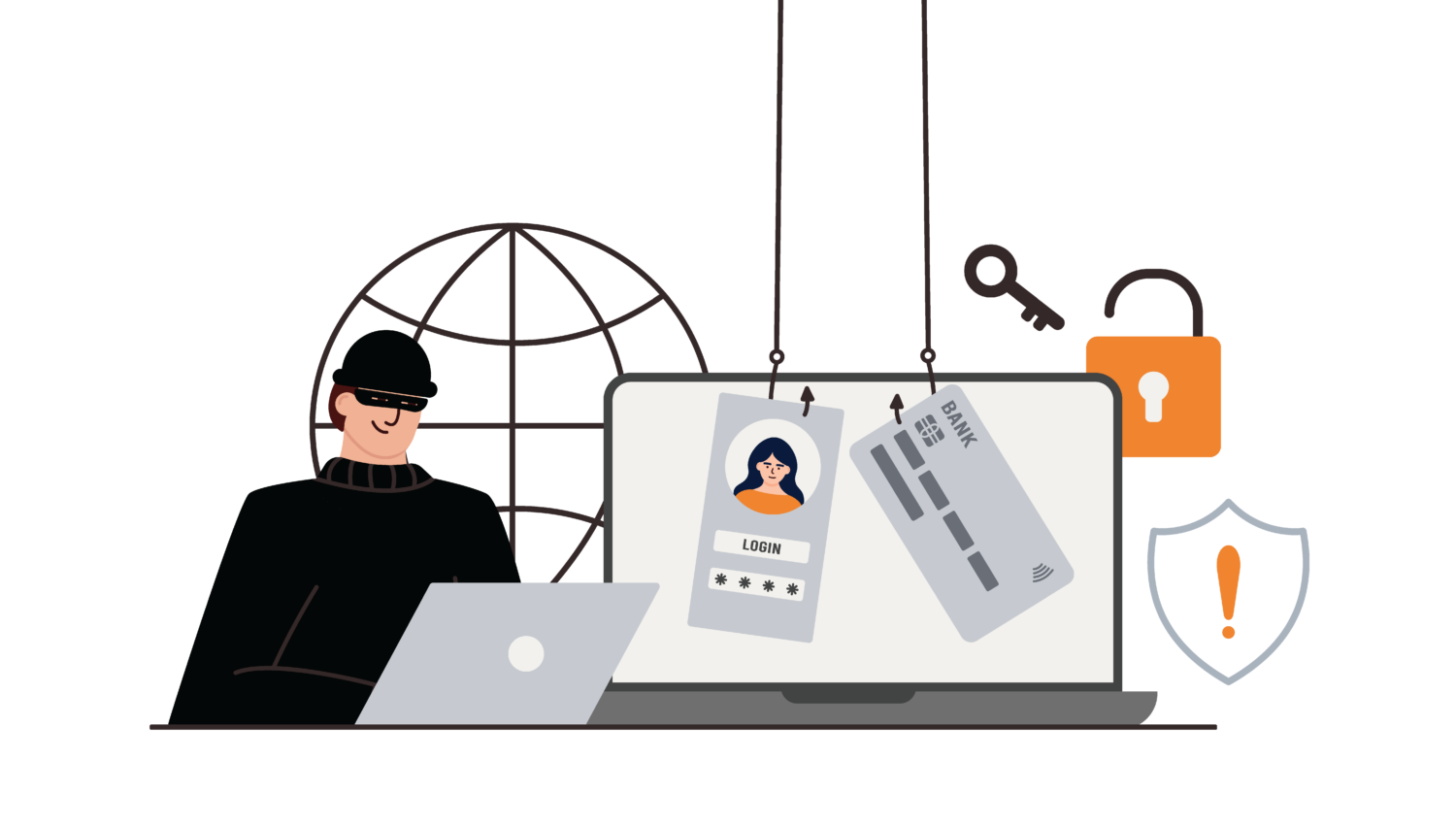
The same controls that protect Cyber Monday also protect:
- Black Friday
- holiday sales events
- flash sales
- major product launches
Merchants that build peak-readiness as an ongoing capability outperform those that scramble seasonally.
Frequently Asked Questions
Why does fraud spike on Cyber Monday?
Fraud spikes due to high traffic, large discounts, operational strain, and reduced scrutiny, making it easier for bad actors to blend in.
Should merchants loosen fraud controls on Cyber Monday?
No. Controls should be adaptive, not weaker. The goal is to reduce friction for low-risk customers while maintaining protection for high-risk orders.
How long after Cyber Monday do chargebacks appear?
Chargebacks often appear weeks or months later, which is why post-purchase monitoring is critical.
What is the biggest Cyber Monday fraud mistake merchants make?
Assuming fraud prevention ends at checkout. Many Cyber Monday losses occur after fulfillment.
In Summary
Cyber Monday is not just a revenue opportunity. It is a stress test for fraud prevention, operations, and customer experience.

Merchants that prepare holistically, combining strong checkout screening with post-purchase intelligence and clear customer communication, reduce losses while capturing peak demand. Those that rely on speed alone often pay for it later through chargebacks, refunds, and operational drag.